
TDLR-Licensed · ACO1245 ·
Serving Post Oak, Houston
Independent mold testing for Post Oak condos, high-rises and homes from a TDLR-licensed assessor. A $550 flat fee covers the inspection and up to two lab samples, and your written report arrives in one business day. We test. We never remediate.
Mold Risk in Post Oak
Most mold in a Post Oak tower starts with water you can’t see from inside your unit. Plumbing stacks, HVAC risers, balcony membranes and window seals all carry moisture between floors and units, and the first sign is often a smell rather than a stain.
In a high-rise, the leak behind your mold may start in the unit above you, next door, or inside a shared riser. A report that points to the likely source tells you, your HOA and the building who owns the repair.
Condo towers run plumbing chases, riser stacks and shared HVAC lines through every floor. A slow leak or a sweating line in one unit can wet the wall cavities around it before anyone sees water.
Worn balcony membranes, aging caulk and failed window flashing let rain into the wall. That water can sit behind drywall and around window frames without ever staining the paint.
Kitchen and bath remodels open walls and move plumbing. When materials go back up before they have dried, moisture gets sealed inside, which is why testing before walls close, or before you close on a renovated unit, is worth it.
High-rise air conditioning runs most of the year. Condensation around fan coil units, drain pans and supply lines is a steady moisture source, especially when the system hasn’t been serviced in a while.
Seasonal timing: When is mold worst in Houston?
Schedule your mold inspection with no credit card required. Payment is collected after the inspection is completed and prior to delivery of the final report.
No credit card required to book. Payment is collected after the inspection is completed and prior to delivery of the final report.
How It Works
Every inspection follows the same four steps, whether it’s a pre-purchase check on a Galleria-area condo or a musty smell you can’t trace in a Tanglewood home.
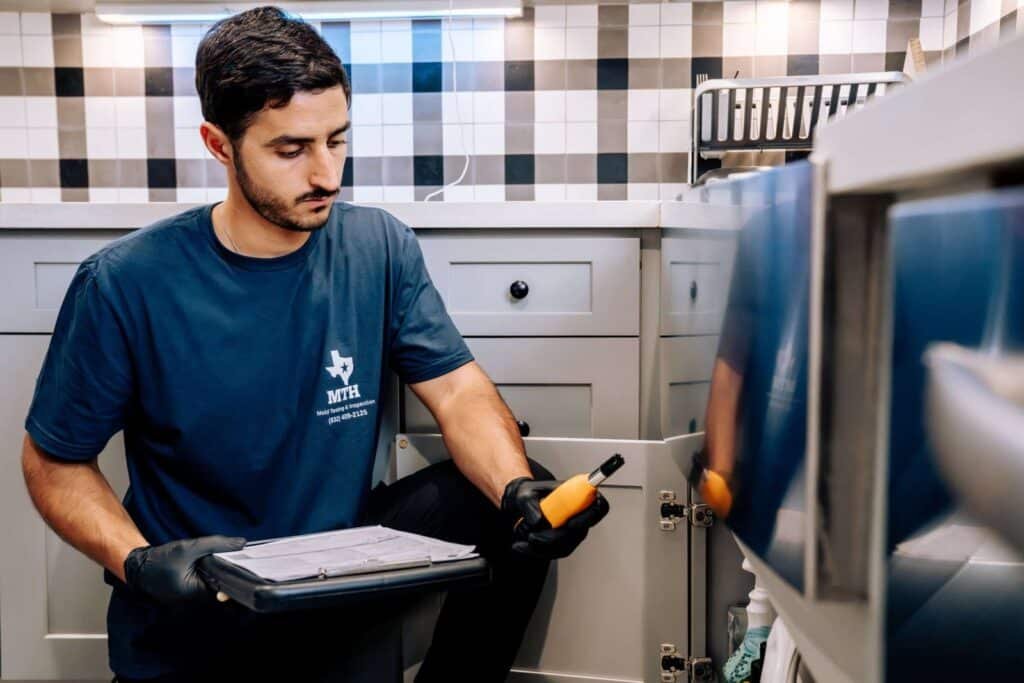
Identify Visible Mold & Its Source
A thorough walk-through of the property: walls, ceilings, floors, HVAC and fan coil closets, windows and balcony doors, and under cabinets, looking for visible mold, water damage, and the conditions that cause them.

Detect Hidden Moisture Issues
We measure relative humidity, surface moisture, and dew point throughout the property using calibrated moisture meters and humidity sensors. Elevated readings in walls, subfloors, or behind cabinets point to active or recent moisture intrusion, which is where mold typically grows out of sight.
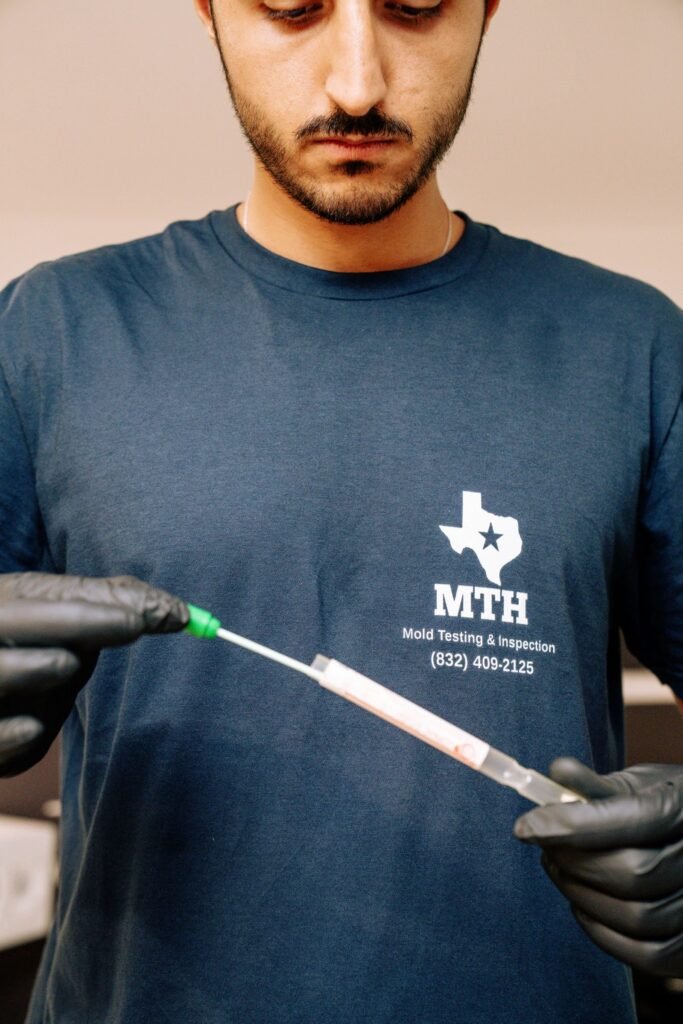
Swab or air sampling
Swab samples from suspected surfaces and air samples for airborne spores, collected only where they’re actually warranted. All samples go to EMSL Analytical, an AIHA-LAP accredited lab. See our complete air quality testing process for details.

Results in one business day
A clear written report within one business day of sampling: lab results, mold levels, photo documentation, and professional recommendations, whether remediation is needed or not.
Our Services
Every service is performed by a TDLR-licensed mold assessor with full lab reporting in one business day.
Air quality and surface sampling to determine whether mold is present in your home or business. Includes a TDLR-licensed assessor on-site, EMSL lab analysis, and a detailed report delivered in one business day.
$550 flat feeSee all services →A detailed, step-by-step plan that licensed remediators follow to remove mold safely. Required by Texas law when remediation involves more than 25 contiguous square feet. We write the plan, the remediator follows it.
Starting at $750See the $750 protocol →Post-remediation verification testing to confirm that mold has been properly removed. Required after professional remediation work, and recommended any time you want third-party verification that your space is safe.
See clearance testing →When to Book
You don’t need visible mold to need an inspection. These are six common reasons Post Oak owners, buyers and property managers book.
Why Post Oak Chooses Us
One flat fee for a standard inspection, published right here. No quote games, no per-sample surprises, no "free inspection" that turns into a remediation pitch.
Your inspection is performed under licensed Mold Assessment Consultant Ran Bozaglo (MAC1839), operating under Company License ACO1245 with 9 years of independent assessment across greater Houston. Verify both with the TDLR before you book. We encourage it.
Samples go to EMSL Analytical, AIHA-LAP accredited, not read on a tailgate by someone with cleanup to sell. Species, spore counts, and toxicity come from the lab, not from us.
We never bid on remediation. A clean result is just as good for us as a failing one, which is exactly why our reports are trusted by agents, insurers, and attorneys.
Proof, Not Promises
Rated 5.0 on Google.
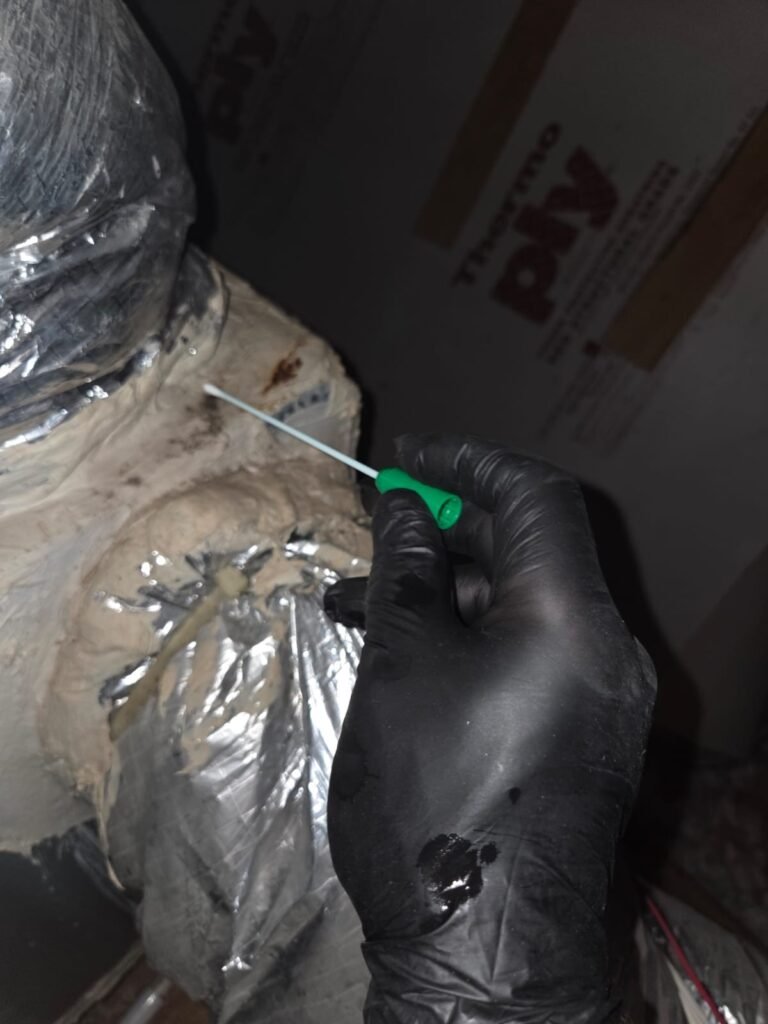
The homeowner requested a full mold inspection and testing of the house.
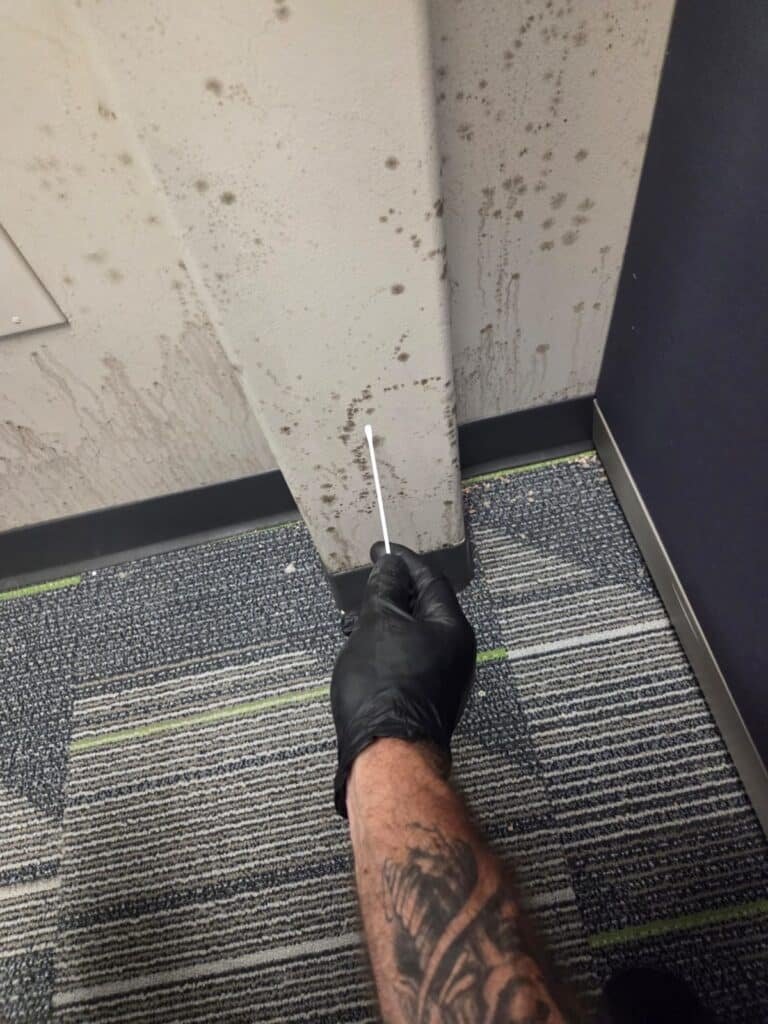
The office manager requested a full mold inspection and testing after noticing visible signs of growth on an exterior wall.
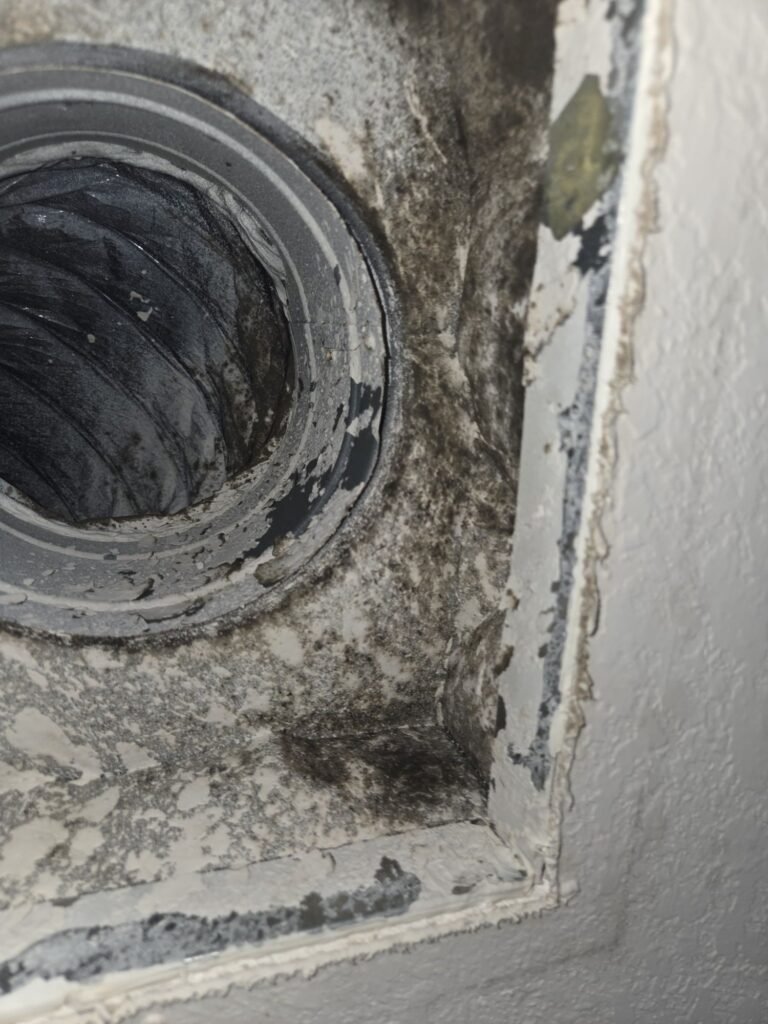
The homeowner requested a full mold inspection and testing to find where the mold was, what type it was, and where it came from.
Buying or Selling in Post Oak?
Keep mold from stalling your Post Oak closing.
A Texas option period moves fast, and in a Post Oak high-rise the questions reach past the unit: where past leaks came from, and whether the repairs were ever tested. A vague “moisture concern” on a general inspection report can stall a deal. Our Post Oak mold inspection returns accredited EMSL lab results within one business day of sampling, so buyers negotiate with facts, sellers clear doubts before listing, and agents keep the timeline intact. Because we’re assessment-only, neither side can accuse the report of padding a repair bill.
The Independence Rule
Texas requires the licensed mold assessor and the licensed remediator to be different parties. We chose the assessment side on purpose, which is why we can tell you what a fair remediation quote looks like without bidding on the work. Here’s how it plays out, start to finish.
Texas Occupations Code Chapter 1958 bars the same licensed party from both diagnosing and remediating mold on the same project once contamination passes 25 contiguous square feet. The rule is enforced by the Texas Department of Licensing and Regulation, and it exists because an inspector who profits from finding mold has every incentive to find more of it.
You get a written report with photos, lab results, moisture readings, and a clear scope of work. Take it to any licensed Texas remediation contractor for competitive bids. No markup, no kickback, no preferred-vendor arrangement on our end.
Verify their TDLR Mold Remediation Contractor license, ask for insurance that specifically covers mold work, and get three written bids against the same scope (yours). If a contractor offers a "free inspection," they legally can't remediate what they find. Walk away. Our guide on how to vet a mold professional covers the same checks in detail.
After remediation, we return for independent clearance testing in your Post Oak unit or home: re-inspection and re-sampling that proves the work actually met the protocol, accepted by insurers and real estate professionals.
Frequently Asked
Quick answers for Post Oak condo owners, homeowners, buyers and property managers.
It can be. Tower living concentrates the usual Houston moisture sources: plumbing stacks, HVAC risers, balcony and window seals, and air conditioning that runs most of the year. The harder part is that mold in a high-rise often starts outside your unit, with a leak above, beside or inside a shared riser, and shows up as a smell before a stain.
$550 flat for condos and homes up to 2,500 square feet. That covers the full inspection, moisture readings, and up to two air or surface samples analyzed by EMSL Analytical. Extra samples are $85 each and are added only with your approval. A remediation protocol starts at $750. For larger units or a whole floor, call (832) 990-0515 for a quote.
It depends on your policy. Many Texas homeowners and condo policies limit or exclude mold, but when water damage is covered, a lab-backed report is the documentation an adjuster asks for. In a condo, the building’s master policy and your own unit policy may cover different parts of the damage, so check both before you book.
It’s worth it if the work opened walls, moved plumbing, or involved a leak along the way. Materials that go back up before they have dried can hold moisture inside the wall. Testing after the work wraps up, and before you move back in, catches a problem while it’s still small.
Yes. We schedule around your building’s access rules, and when the likely moisture source is a shared system like a riser, a plumbing stack or the exterior wall, the report says so. That helps when you, your HOA and the building sort out who owns the repair.
Most condo units and homes take 60 to 90 minutes on site. Your written report with lab results from EMSL Analytical arrives in one business day.
Yes. We cover Post Oak, the Galleria and Uptown, Tanglewood, River Oaks, Highland Village, Greenway Plaza and the neighborhoods around them, all at the same $550 flat fee. Don’t see your area? Call (832) 990-0515.
No. Texas requires the licensed assessor and the licensed remediator on a project to be separate companies. We find the mold, document it, and write the protocol a licensed remediator follows. For mold covering 25 contiguous square feet or more, Texas requires a licensed remediator working from a written protocol.
Same TDLR-licensed inspection, same $550 flat fee, same results in one business day, for high-rise condos, single-family homes and commercial spaces throughout the Uptown area.
For nearby coverage, see our pages on mold inspection in the Memorial area and Sugar Land mold testing.
Independent mold inspection from a TDLR-licensed Texas team. Same-day appointments often available. Transparent pricing, no surprises.