Can Urgent Care Test for Mold Exposure? An Honest Answer

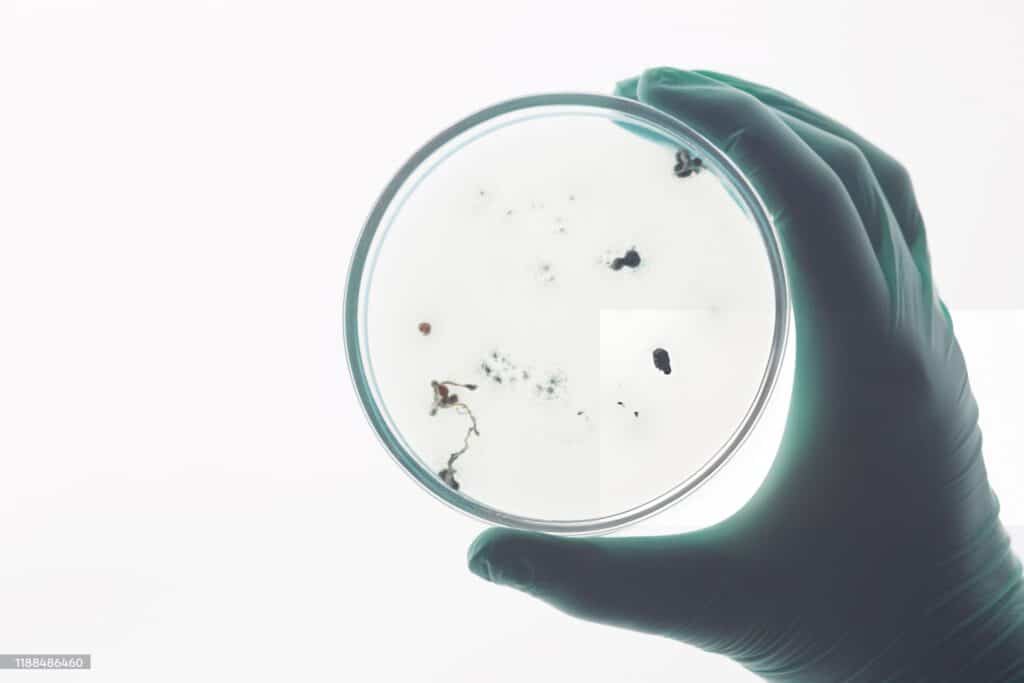
Mold testing supplies for environmental and medical exposure testing.

If you’re searching whether urgent care can test for mold exposure, you’re probably feeling unwell, you suspect mold might be the reason, and you want to know what your fastest medical option is. The short answer is mostly no: urgent care centers can treat the symptoms you’re experiencing, but they rarely run the specific blood or allergy tests used to confirm mold exposure, and they don’t test the environment that’s causing the exposure in the first place. This guide explains what urgent care can and can’t do, when to see a specialist instead, and how testing your home factors into the picture.

This is general information, not medical advice. If you’re experiencing severe symptoms, contact your physician or go to an emergency room. This guide is written by Mold Testing Houston, a TDLR-licensed independent mold assessment company serving Houston since 2017. We test the home environment side of the mold exposure question, not the medical side, and we’ll be honest about where each kind of testing fits.

Mold Exposure and Its Health Effects

Mold is a variety of fungi that thrives in moist environments. It releases tiny spores that we can’t see, which float through the air. When these spores land on wet surfaces, they start to grow and eat away at whatever they’ve landed on. This includes walls, floors, and even your personal belongings. Mold causes damage to our homes, but it can also affect our health.

Mold exposure can cause health problems, especially in people with respiratory illnesses, weak immune systems, or allergies. Symptoms can include a stuffy nose, eye irritation, wheezing, skin irritation, fever, and shortness of breath.

The CDC’s mold health page provides federal guidance on mold-related health effects, including when symptoms warrant medical evaluation.

Individuals who have been diagnosed with chronic lung conditions are susceptible to developing mold infections within their respiratory system. It’s important to test and treat for mold as soon as possible to avoid these risks.

Urgent Care Facilities and Their Role in Healthcare

Urgent care facilities are important for non-life-threatening emergencies and other health concerns that don’t require the extensive resources of a hospital emergency room. They provide a convenient option for patients who need immediate attention for acute issues without having to wait or pay high costs associated with ER visits.

Urgent care centers are staffed by healthcare professionals capable of diagnosing and treating a wide array of conditions, from infections and injuries to chronic disease flare-ups. Their role in providing accessible healthcare is undeniable, bridging the gap between primary care doctors and emergency room services. But when it comes to specialized testing, like that for mold exposure, do urgent care facilities have the capability to assist?

The Importance of Testing for Mold Exposure

The first critical step in addressing the health implications of mold exposure is identifying and confirming it. To do this, we must test for mold exposure by identifying mold spores in the body and determining if they are causing a person’s symptoms. This is important for several reasons.

Testing for mold exposure can help in a number of ways. First, it can help differentiate symptoms of mold exposure from those of other conditions, like colds or allergies. This ensures that the person receives the right treatment. Second, it can identify the specific type of mold. 

This is important as some types of mold can be more harmful than others. Lastly, testing can help understand the extent of exposure and guide the necessary steps to remove the mold source and prevent further health issues.

Can Urgent Care Facilities Test for Mold Exposure?

Urgent care centers may not necessarily offer mold exposure testing as part of their standard services, despite being capable of treating a wide range of medical conditions. The specific tests for mold exposure might not be available at these facilities.

When testing for mold exposure, doctors usually perform specific blood tests or skin prick tests that can identify allergic reactions to mold spores. Some urgent care centers can perform these initial tests, but it’s important to know that further, more specialized testing may be needed to confirm mold exposure and its severity. In such cases, your doctor may refer you to a specialist.

Limitations of Mold Testing in Urgent Care Facilities

Urgent care facilities may not be the best place to get a comprehensive analysis of mold exposure. This is because they are mainly designed to address immediate medical issues and may lack the necessary diagnostic tools. While they can provide basic mold testing, it may not be as thorough as that offered by specialized clinics or larger medical facilities.

Tests for mold exposure can be difficult to interpret and often require the expertise of a specialist in respiratory conditions. While urgent care centers can help with initial responses to suspected mold exposure, full diagnosis and treatment may require an allergist or pulmonologist.

When to Seek Specialized Help for Mold Exposure

If you or someone in your family may have been exposed to mold and is experiencing health problems, it is important to seek professional help. This is especially crucial if the symptoms are severe and persistent or if the person has a pre-existing respiratory condition.

It is best to get in touch with allergists or pulmonologists who specialize in treating mold-related health problems. They can run the necessary tests to accurately diagnose and create a treatment plan that suits your needs. These specialists can also guide you on how to remove mold safely from your surroundings and prevent future exposure.

Two Different Kinds of Mold Testing: Your Body vs Your Home

One of the most common points of confusion about mold testing is that “mold testing” can mean two completely different things. Both are useful, both answer real questions, but they test different things, and they’re typically done by different professionals.

Body-side mold testing measures how YOU are responding to mold exposure. It’s done by an allergist, pulmonologist, or other medical professional. The tests include skin prick allergy tests, blood tests measuring mold-specific antibodies (IgE, IgG), and sometimes more specialized urinary mycotoxin tests. These tests answer the question, “Is my body reacting to mold, and which species am I sensitive to?” Urgent care can sometimes do an initial screen, but typically refers out for the comprehensive panels.

Home-side mold testing measures what’s actually in your indoor air or on surfaces in your home. It’s done by a TDLR-licensed mold assessor like Mold Testing Houston. The tests include air sampling with spore traps, surface sampling via tape lift or swab, and moisture mapping to identify where mold is growing. These tests answer the question, “Is there elevated mold exposure in my environment that explains why my body is reacting?”

The two work together. Body-side testing confirms whether mold is affecting your health and which species you’re sensitive to. Home-side testing identifies whether the source of exposure is your house, and where specifically. Without both, you can know you’re sick but not know why, or know your home has mold but not know if it’s affecting you.

For most people experiencing mold-related symptoms, the right sequence is: see your physician or allergist first to evaluate the medical side, then arrange an independent inspection of your home if the doctor confirms mold sensitivity or if you have other reasons to suspect indoor air quality (water damage history, musty smells, visible mold). Our Houston seasonal mold guide and AC leak mold guide cover the most common reasons Houston homes develop indoor mold problems that affect health.


What to Expect During a Mold Exposure Test

If you think you’ve been exposed to mold, your doctor may start by asking you about your medical history and giving you a physical exam. They may then recommend specific tests to determine if you have a mold allergy. Two common tests are a blood test and a skin prick test. 

During a skin prick test, a small amount of mold allergen will be put on your skin, usually on your arm or back, and your skin will be pricked to see if you react to it. If you’re allergic to the mold, you’ll develop a raised bump or rash at the test site. A blood test, on the other hand, measures your immune system’s response to mold by checking for certain antibodies in your bloodstream. 

Both tests are simple and can help your doctor diagnose a mold allergy.

A woman in disbelive that her houston home has severe mold growth

Steps to Take After Testing for Mold Exposure

If you’ve been tested for mold exposure and the results show that you’ve been affected, the next steps are treatment and prevention. Treatment might include medication to manage symptoms such as antihistamines for allergies or corticosteroids for inflammation. In severe cases, you may need immunotherapy or allergy shots to help your body build tolerance to mold spores.

Preventing mold growth and exposure is just as important. Identifying and getting rid of the source of mold in your home or workplace is crucial. You may need to hire professionals to help with mold remediation. In addition, keeping indoor humidity levels low, ensuring proper ventilation, and using air purifiers can help prevent mold growth and exposure.

Alternative Options for Mold Testing and Treatment

If you’re looking for a mold testing and treatment alternative to urgent care or specialized clinics, several options are available. You can use a home mold testing kit to check for mold in your surroundings, but it won’t tell you how your body reacts to mold. You can also speak with a public health department or environmental health specialist to learn more about mold and how to get rid of it. 

Some people prefer to use natural remedies to address the symptoms and health effects of mold exposure. These remedies may include changes in diet, supplements, or detoxification programs designed to support the immune system and reduce inflammation. Although these treatments may be helpful, it’s important to use them together with conventional medical advice and treatment.

Frequently Asked Questions

Can mold exposure cause long-term health issues? 

Yes, prolonged or severe mold exposure can lead to chronic respiratory conditions, allergic reactions, and in rare cases, serious infections.

Are there specific types of mold that are more harmful than others? 

Yes, certain types of mold, such as Stachybotrys chartarum (black mold), are known to produce toxins that can be more harmful to human health.

Can I clean mold by myself, or should I hire professionals? 

Small mold patches can often be cleaned with proper safety gear and mold removal solutions. However, large infestations or mold in HVAC systems should be addressed by professional remediators.

How can I avoid mold growth in my home? 

Control humidity levels, ensure proper ventilation, fix leaks promptly, and keep the house clean and dry to prevent mold growth.

How do I find reliable home mold testing in Houston?

For Houston homeowners and renters, look for a TDLR-licensed Mold Assessment Company that performs assessment only (not also remediation, which is prohibited under Texas Occupations Code for the same project). Mold Testing Houston operates under TDLR license ACO1245 and has served Houston since 2017. Our flat-rate $550 inspection includes air and surface sampling, accredited lab analysis, and a written report.

When the Home Side Matters: Get Your Houston Mold Inspection

If you’ve seen your doctor about possible mold-related symptoms, or if your symptoms suggest mold exposure but you haven’t yet been able to confirm it medically, an independent inspection of your home tells you whether the environmental side of the equation is actually a problem. Houston conditions (year-round humidity, slab leaks, attic-mounted AC, hurricane season water events) make indoor mold a regular issue here, even in well-maintained homes.

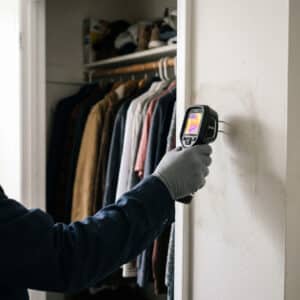
Mold Testing Houston has served Houston since 2017 under TDLR license ACO1245. We perform independent mold inspection and testing only. We don’t perform remediation, and we have no financial incentive to find mold that isn’t there. Our $550 flat-rate inspection includes the visual assessment, moisture mapping, thermal imaging, air and surface sampling, accredited lab analysis, and the written report. Standard turnaround is 3 to 5 business days.

Call us at 832-838-9387 or schedule a Houston mold inspection for a clear answer on whether your home is contributing to your symptoms. If it’s not, we’ll tell you that too, and you can focus your investigation elsewhere with one possibility ruled out.

Need expert help?

Get certainty in 24 hours

Independent mold testing from a TDLR-licensed Houston team. Same-day appointments often available.

Book Online (832) 838-9387
5-star rated · TDLR ACO1245
Need expert help?

Get certainty in 48 hours

Independent mold testing from a TDLR-licensed Houston team. Same-day appointments often available.

Book Online (832) 838-9387
5-star rated · TDLR ACO1245

Suspect mold? Get certainty in 48 hours.

Independent inspection from a TDLR-licensed Houston team. Same-day appointments often available.

MORE IN THIS CATEGORY