Mold Inspection Process
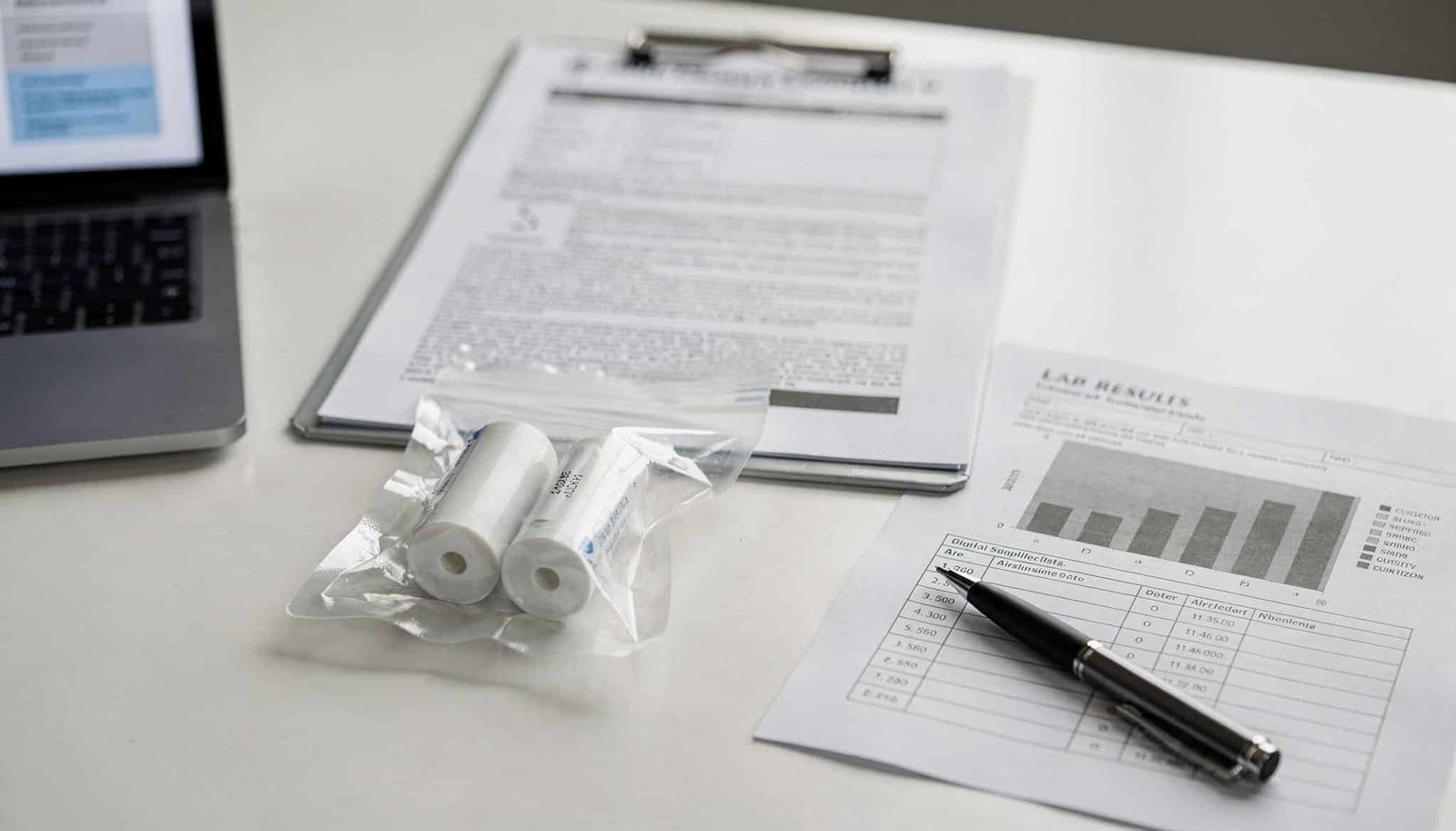
How to Read a Mold Inspection Report in Houston
Quick Answer: A mold inspection report tells you three things: where the moisture is, what the lab found, and what to do next. Read the

Quick Answer: A mold inspection report tells you three things: where the moisture is, what the lab found, and what to do next. Read the
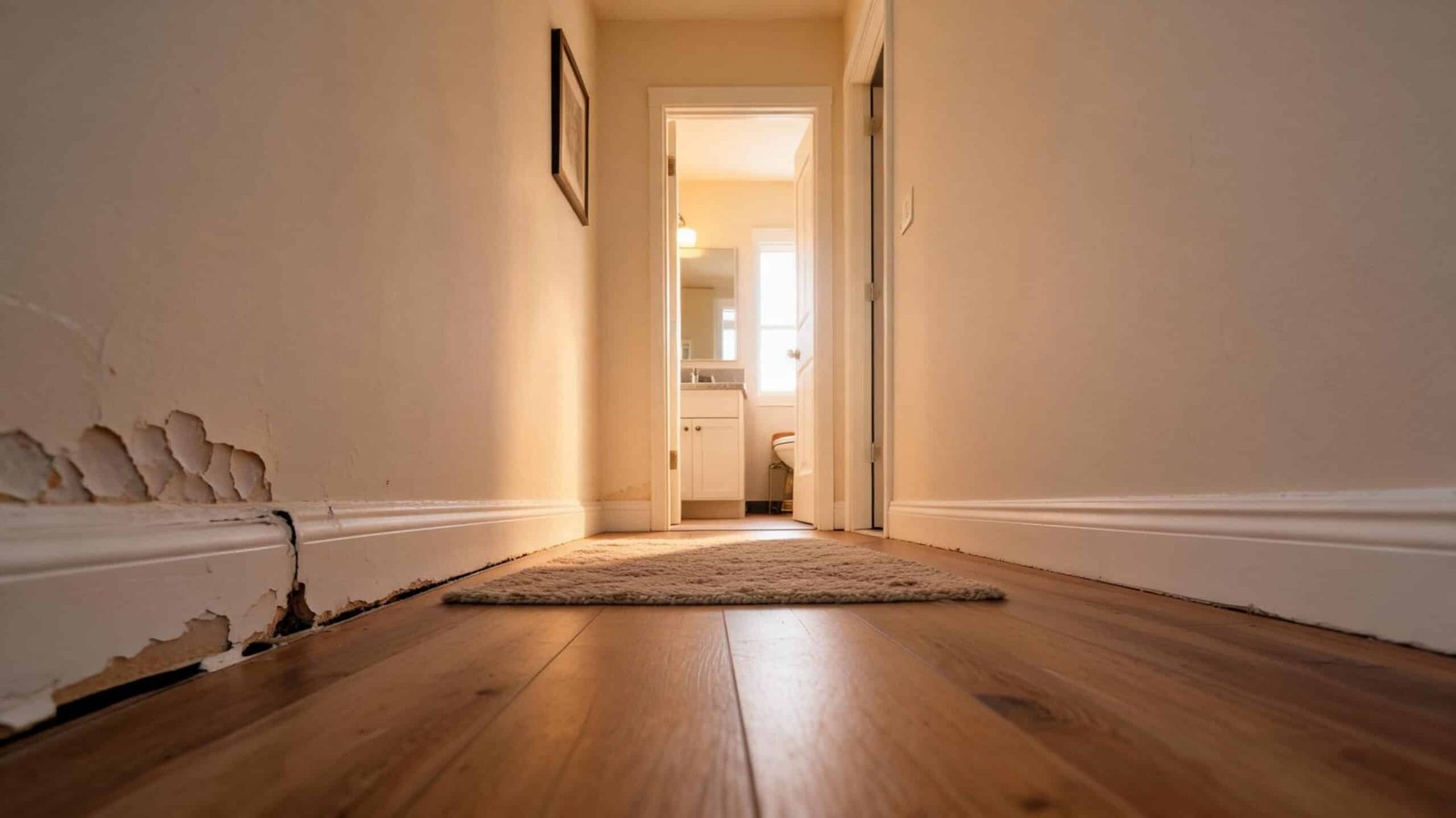
Quick Answer: A musty smell, stains, bubbling paint, or a soft baseboard can all point to mold behind walls, but none of them proves it.

Quick Answer: A mold inspection is worth it when you can’t see the source of a problem, when you’re buying or selling a home, or
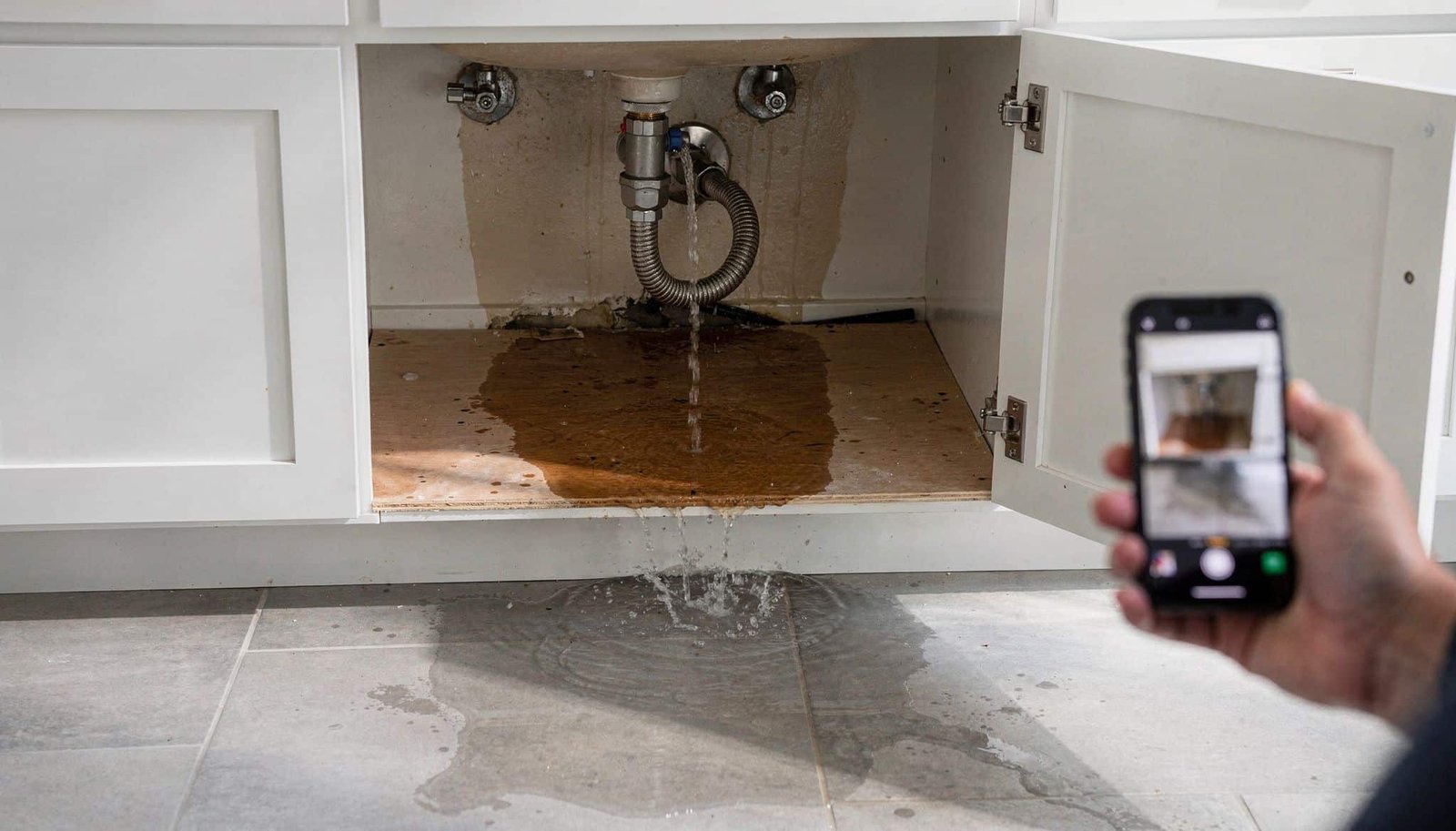
Quick Answer: Most Texas homeowners policies do not pay for a mold test on its own. Coverage usually applies only when the mold comes from

Quick Answer: A mold inspection finds the moisture problem and shows where mold is growing or likely to grow. Mold testing sends air or surface
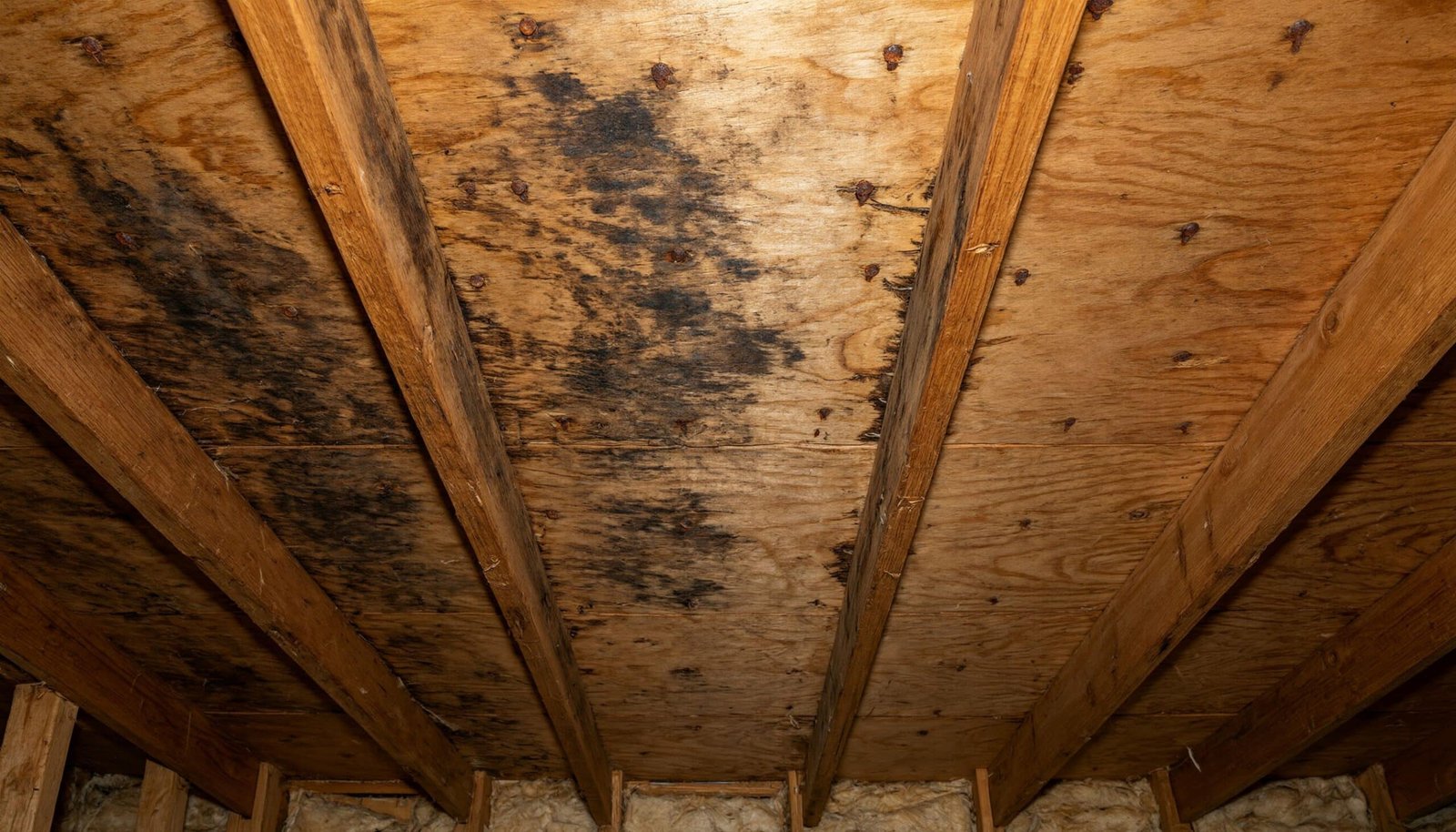
Quick Answer: Untreated mold does not sit still. It keeps consuming the material it grows on, which in Houston usually means roof decking, framing, subfloor,
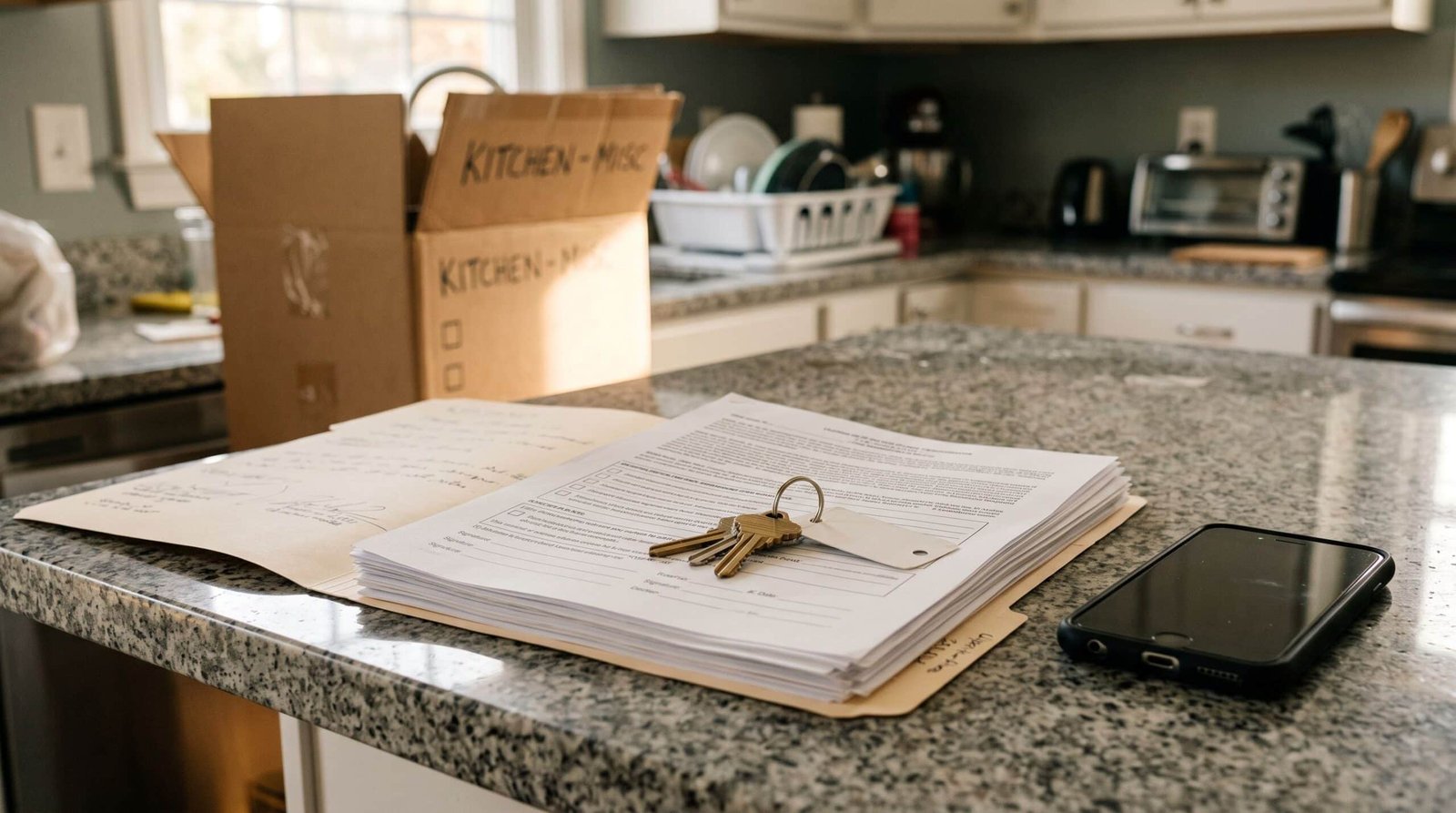
Quick Answer: Document everything before you touch it, find the water source, and get an independent assessment that says what is actually there. Texas requires
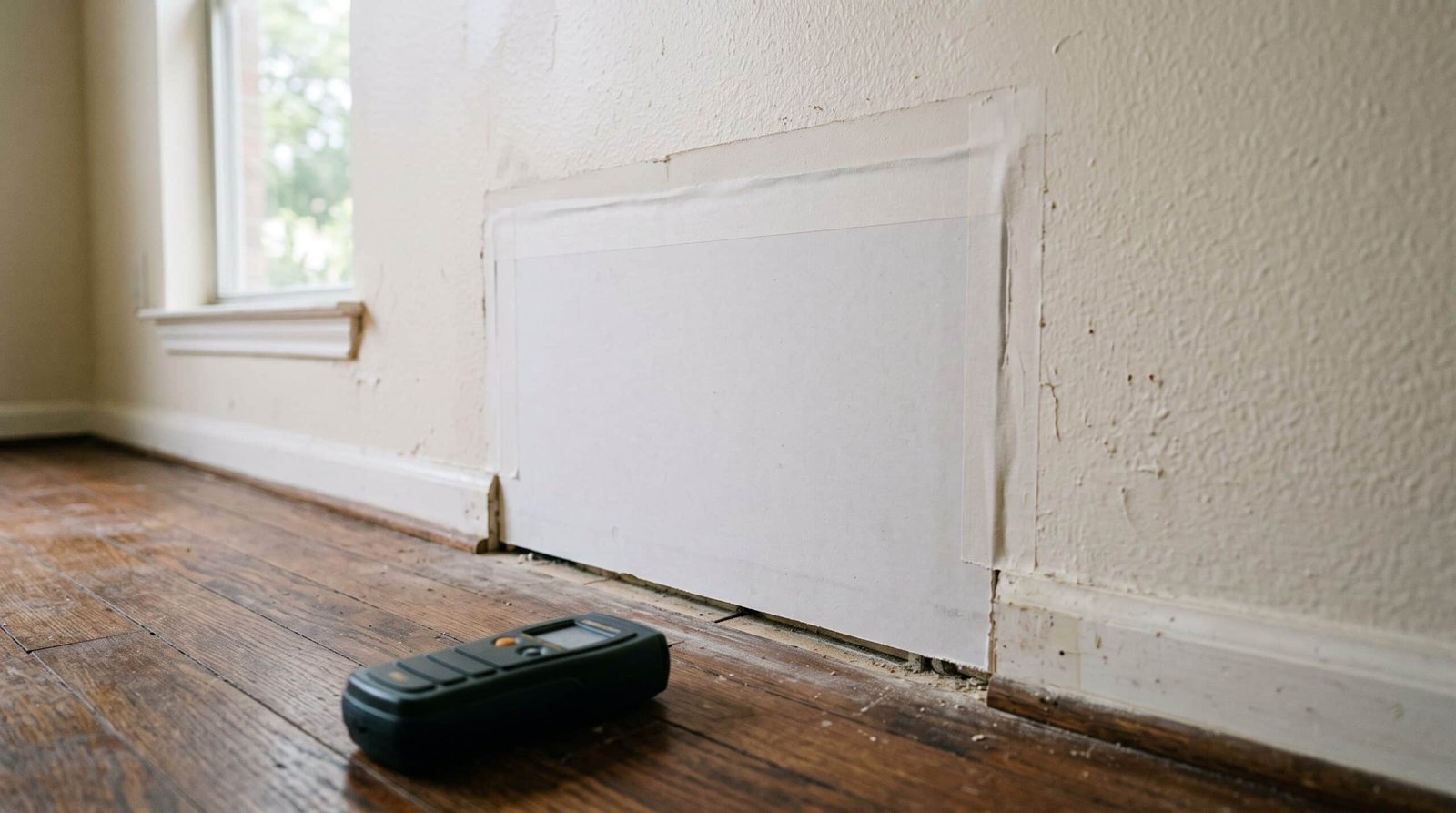
Quick Answer: Mold comes back when the water comes back. If the moisture source was found and fixed, remediation holds. If it was missed, growth

Quick Answer: The biggest red flag on a mold remediation quote in Texas is simple. If the same company that tested your home also wants

Quick Answer: A mold inspection takes one to two hours on site for a typical Houston home. Lab analysis and your written report follow, and